
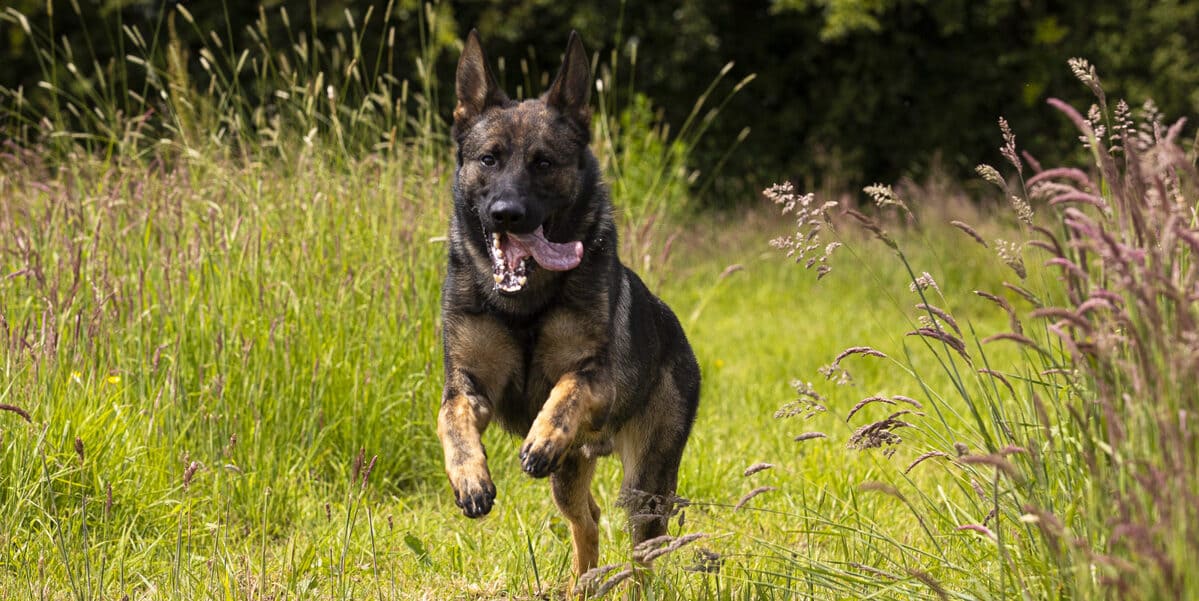
Personal Protection Dogs vs Guard Dogs
Regarding canine security, “personal protection dogs” and “guard dogs” are often used interchangeably. However, these two dogs serve distinct roles and require different training approaches. Understanding the differences between personal protection dogs and guard dogs is crucial for anyone considering adding a four-legged protector to their household or business. In this post, we’ll explore the critical distinctions between these types of dogs, helping you decide which is right for you.
What Is a Guard Dog?
A guard dog’s primary role is to protect a specific area or property. These dogs are trained to alert their owners to potential intruders and, if necessary, deter or stop unauthorised individuals from entering the premises. Guard dogs are often employed in commercial settings, such as warehouses, factories, and large estates, but they can also be used in residential environments.
Key Characteristics of Guard Dogs
Territorial Behaviour: Guard dogs are trained to defend a particular space. They become familiar with their environment and are vigilant about any changes or unfamiliar presence.
Alert Barking: One of the first lines of defence for a guard dog is barking. These dogs are trained to bark loudly when they sense an intruder, which can deter potential threats before they escalate.
Deterrence: Guard dogs are typically trained to use their size, strength, and intimidating presence to scare off intruders. In some cases, they may be trained to stop a threat physically, but their primary function is deterrence rather than confrontation.
Less Socialisation: While guard dogs can be loyal to their owners, they often have limited socialisation with strangers. This is intentional, as it helps them stay focused on their protective duties.
What Is a Personal Protection Dog?
On the other hand, personal protection dogs are trained to protect individuals rather than a specific location. These dogs are often integrated into their owners’ daily lives, providing companionship and security. Unlike guard dogs, personal protection dogs are highly socialised and trained to respond to various situations, including direct threats to their owners.
Key Characteristics of Personal Protection Dogs:
Close Bond with Their Owner: Personal protection dogs are trained to form a deep bond with their owner, making them highly attuned to the owner’s emotions and commands. This bond is essential for the dog to effectively protect the individual.
Controlled Aggression: These dogs are trained to respond to direct threats with controlled aggression. They are taught to assess situations and act only when there is a genuine threat to their owner.
Versatile Training: Personal protection dogs are often trained in various scenarios, including home defence, public protection, and travelling with their owner. Their training includes both obedience and protection work, ensuring they can adapt to different environments.
High Socialisation: Unlike guard dogs, personal protection dogs are usually well-socialised with people and other animals. This socialisation allows them to distinguish between normal interactions and potential threats, ensuring they only act when necessary.
Key Differences Between Guard Dogs and Personal Protection Dogs
Purpose: Guard dogs are primarily focused on protecting a location, while personal protection dogs are dedicated to safeguarding their owner.
Training: Guard dogs receive training that emphasises territorial behaviour and deterrence, whereas personal protection dogs undergo more comprehensive training to handle a variety of threats and situations.
Socialisation: Guard dogs tend to have limited socialisation, making them more aloof and focused on their guarding duties. In contrast, personal protection dogs are highly socialised, enabling them to differentiate between friend and foe.
Use Case: Guard dogs are ideal for businesses, estates, or properties that require a constant security presence. Personal protection dogs are better suited for individuals who need personal security, whether at home or in public.
Which Is Right for You?
Choosing between a guard dog and a personal protection dog depends on your needs. A guard dog might be the best choice if you want to secure a property or business. Their territorial nature and focus on deterring intruders make them well-suited for such roles.
However, if your primary concern is personal safety, a personal protection dog offers a more versatile and personalised security solution. These dogs protect and provide companionship, making them ideal for individuals or families.
Both dogs can provide adequate protection, but understanding their differences is critical to selecting the right one for your situation. Whether you need a steadfast guardian for your property or a loyal protector, the right dog can offer peace of mind and security in a world where safety is paramount.


